Development of lesson plans for teachers to instruct Computer
Science under Montana's Indian Education for All curriculum
guidelines.
Our team is developing and researching culturally responsive
curriculum and teacher development that engage American Indian
and rural Montana students in learning computer science and
computing skills. Instead of creating a new stand-alone
curriculum (and new standards for teachers to meet), the project
infuses computer science across grades 4-8, helping students see
that computing skills are relevant across disciplines and
important for many professions. Through a research practice
partnership, this project works directly with the Montana Office
of Public Instruction, tribal entities, teachers, and other
stakeholders to develop culturally responsive resources aligned
with the new Computer Science state standards and Montana's
Indian Education for All curriculum.
Our lessons use two novel approaches to computing —
storytelling using the Alice programming platform and physical
computing with textiles embedded with electronics and
programmed by students. Because many teachers and students
believe computing is difficult, these approaches broaden access
to computer science. They engage students and teachers in
rigorous computing while also making it fun.
View our curricula below.
If you are interested in learning more about the storytelling
project, please email storytelling@montana.edu or join our
listserv below.
Watch our video
Broadening Participation
Our lessons use physical computing with textiles that are embedded with electronics and then programmed by students. Because many teachers and students believe that computing is difficult, these novel approaches enable more broad access to computer science. They have been shown to not only engage students and teachers in rigorous computing, but also to make computing fun.
Land Acknowledgement
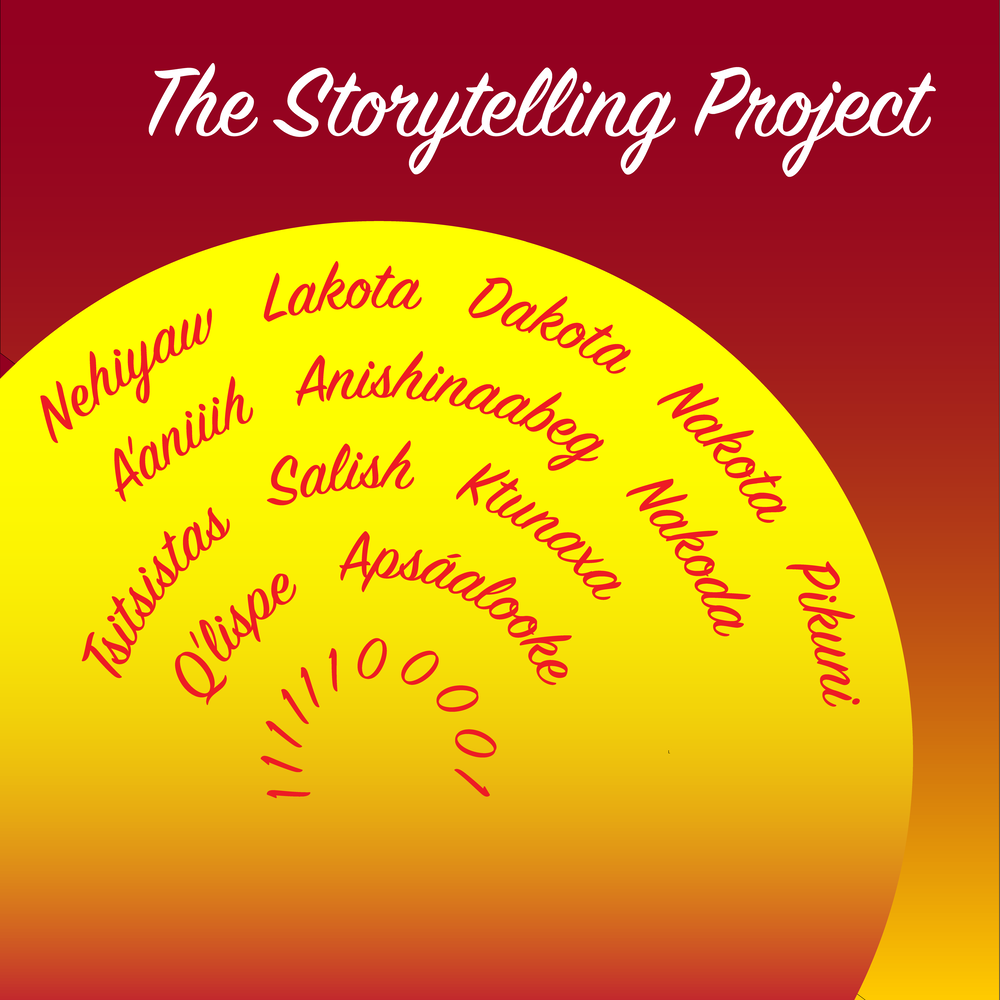
We acknowledge that Montana State University and the schools we work with
are on the ancestral lands of American Indians, including the A’aninin
(Gros Ventre), Amskapi/Piikani (Blackfeet), Annishinabe (Chippewa/Ojibway),
Annishinabe/Métis (Little Shell Chippewa), Apsáalooke (Crow), Ktunaxa/Ksanka
(Kootenai), Lakota, Dakota (Sioux), Nakoda (Assiniboine), Ne-i-yah-wahk
(Plains Cree), Qíispé (Pend d’Oreille), Seliš (Salish), and Tsétsêhéstâhese/So’taahe
(Northern Cheyenne). Through our work with Montana students and teachers, we honor
and respect these twelve tribal nations that call Montana home today, by drawing
inspiration from the stories of these communities whose oral histories embody this land.